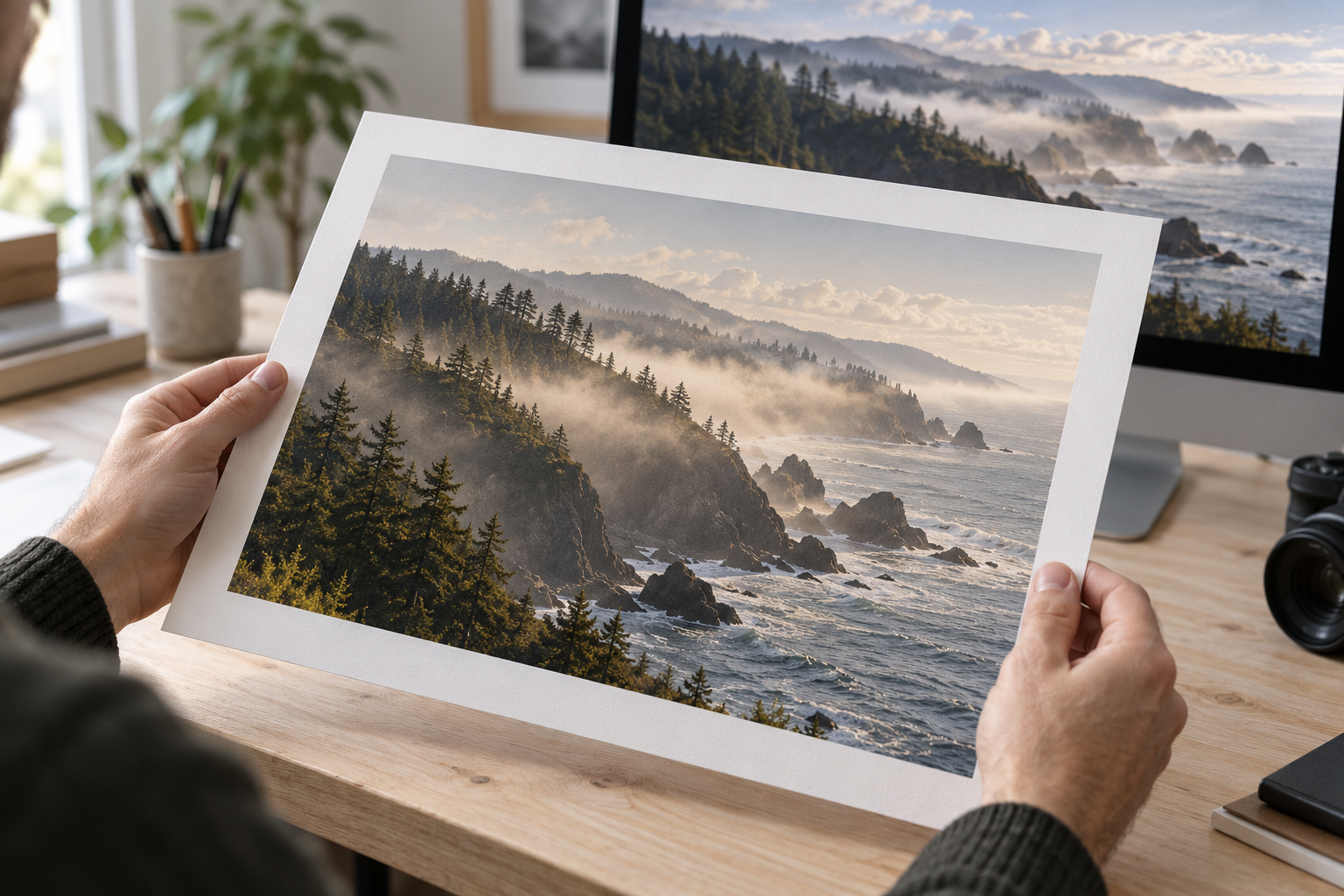
Why Your Photo Looks Brilliant on Screen—and Disappointing in Print
Dark prints and disappointing colours are not always the printer’s fault. Understanding screen brightness, viewing light, paper and colour management makes printing far more predictable.
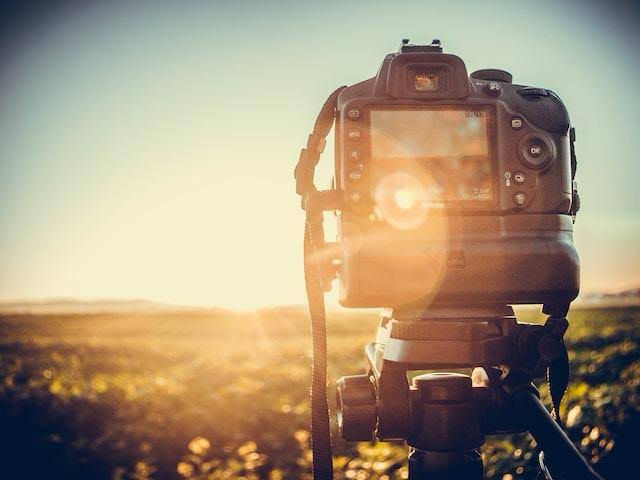
The Art of Seeing Twice: How Intentionally Slowing Down Unlocks Better Frames
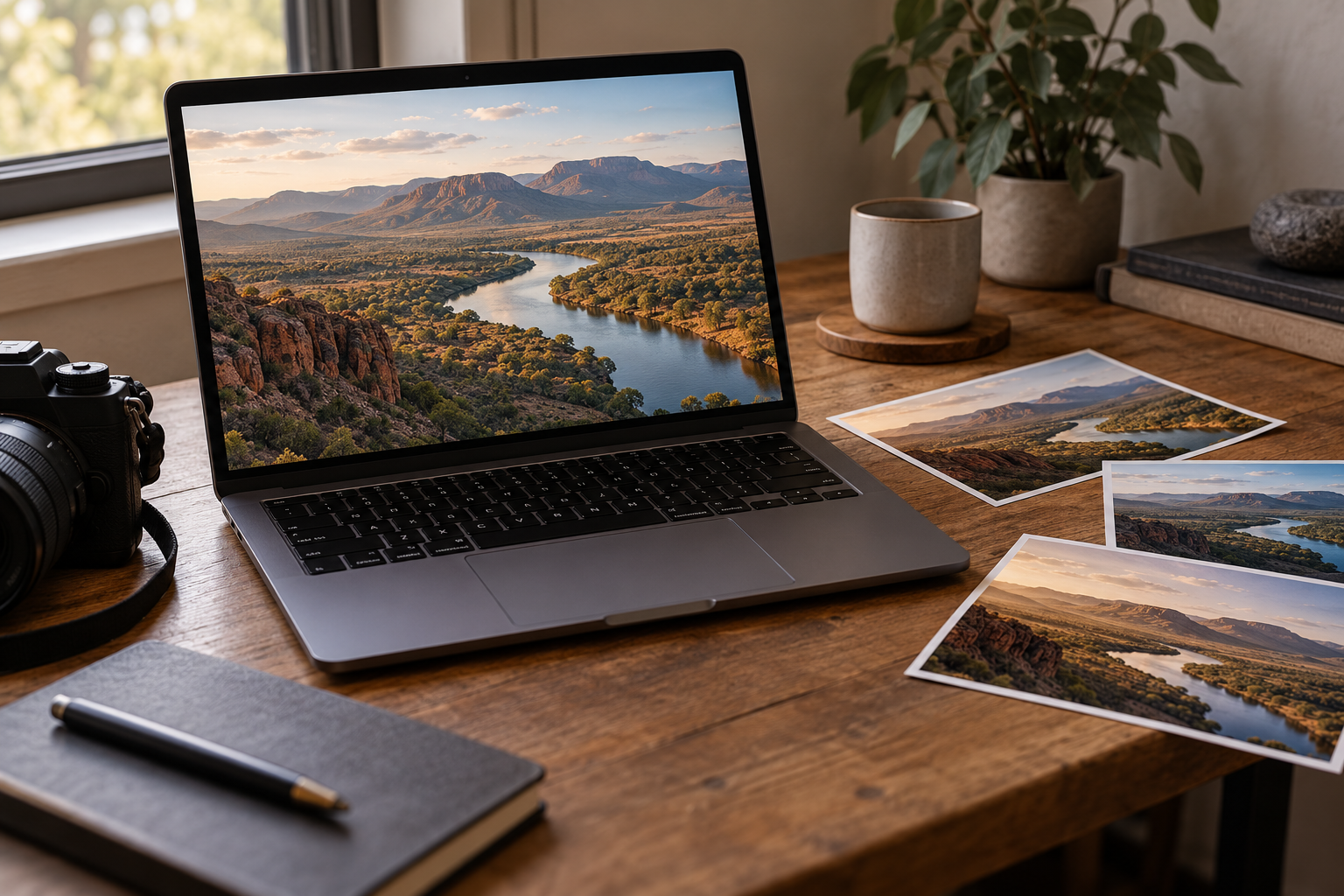
Free Photoshop and Lightroom Alternatives Built With AI: What Are You Actually Getting?
PhotoCraft and LightCraft promise familiar editing tools without an Adobe subscription. Their early development raises a more useful question: can they reliably finish your photographs?

Fujifilm’s instax mini Evo 2 Asks a Better Question: Which Photos Will You Print?
Fujifilm’s new hybrid instant camera lets you shoot freely and print selectively. But does that freedom help us choose meaningful photographs—or keep chasing perfect ones?

Lightroom Now Lets You Describe an Edit—How Much Control Should You Hand Over?
Lightroom’s new Prompt to Edit makes complex changes accessible through ordinary language. The important skill is still knowing what to request—and whether the result serves your photograph.
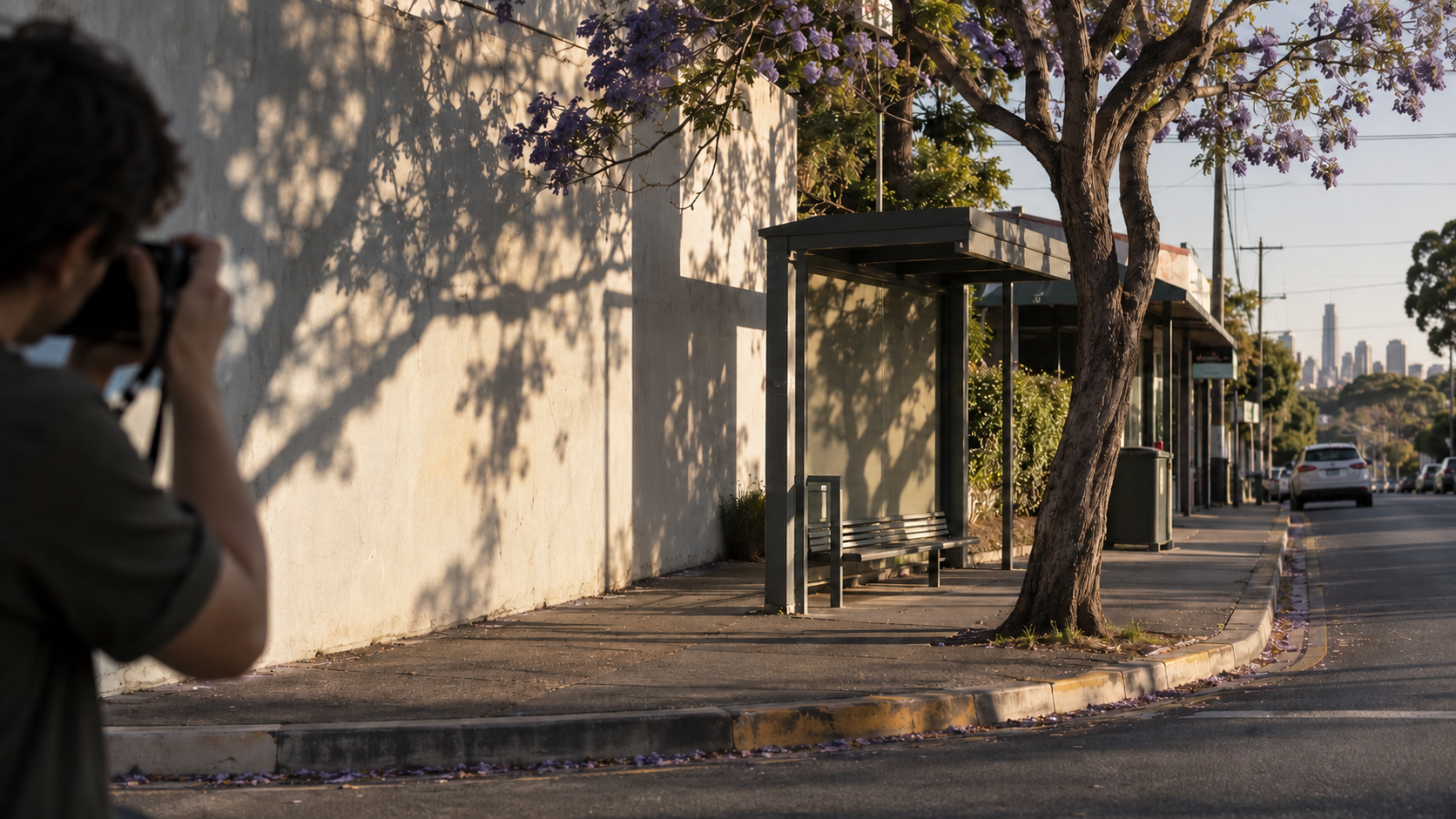
The Place Is Not Boring. You Have Stopped Looking
Familiar places often feel empty of photographs because we stop examining them. Strong images begin when we look beyond the whole location and notice light, relationships and brief changes.
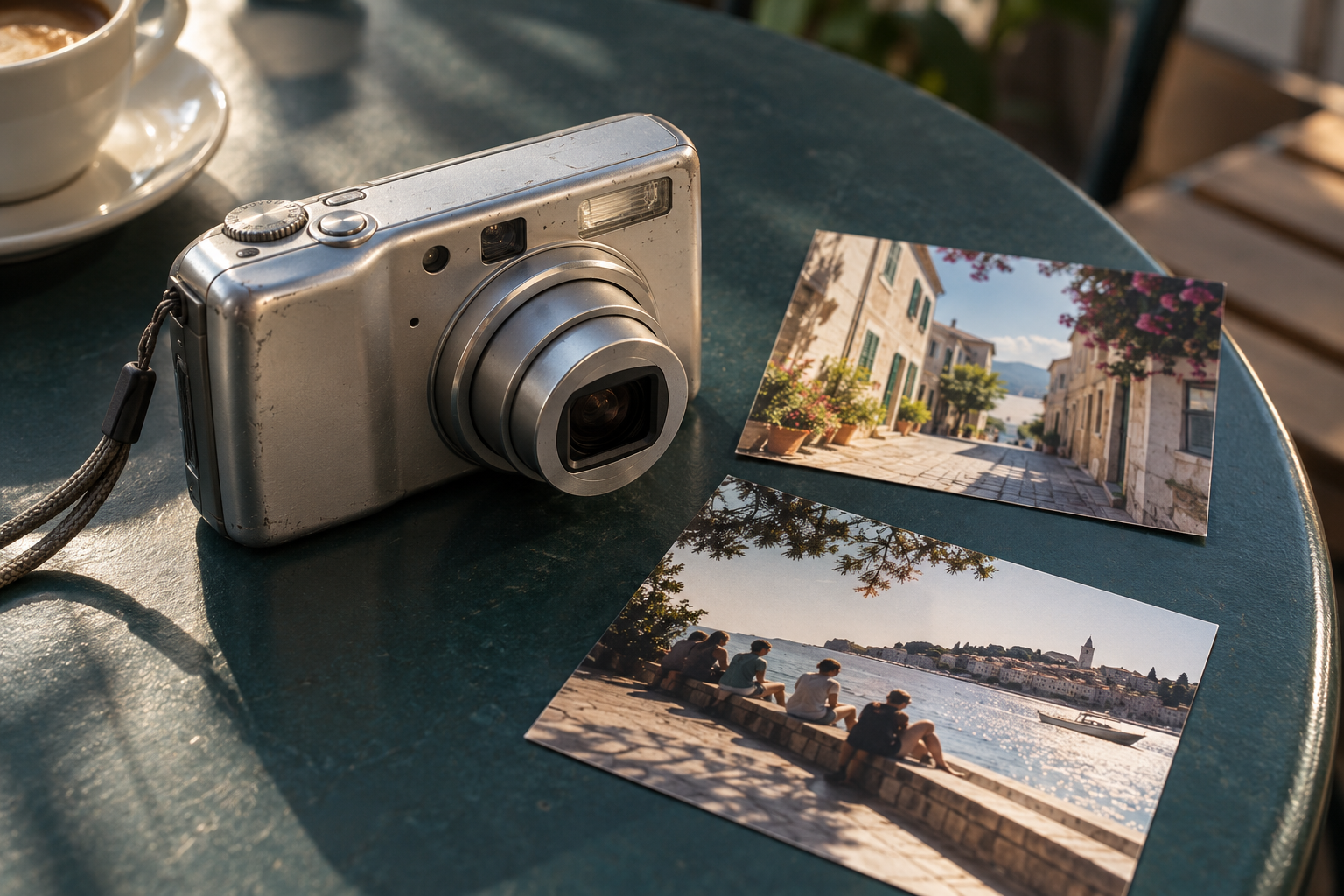
The CCD Camera Craze: Beautiful Colour—or Expensive Nostalgia?
Older pocket cameras can produce appealing photographs, but their charm involves more than a CCD sensor. Here’s how to judge the look, condition and value before buying.

The Next Camera Feature Won’t Improve Your Photos—It Will Prove They’re Real
Canon’s Authenticity Imaging System records where a photograph came from and how it changed. It cannot prove every claim, but it may reshape visual trust.

Sony’s New Fisheye Asks When Photography Stopped Being Weird
Sony’s first E-mount fisheye zoom moves from a circular 8mm image to a frame-filling 14mm view. Its real appeal is not correction, but deliberate distortion.

The New OM System PEN Makes Photography Feel Fun Again
The new OM System PEN combines a compact rangefinder-style body with creative profiles, stabilisation and computational photography. Its appeal may have less to do with specifications than with making photography enjoyable again.

The iPhone Finally Has a Real Aperture—Does That Change Photography?
The iPhone 18 Pro introduces a physical variable aperture to its main camera. It offers genuine optical control, although sensor size and computational photography still shape the result.

Better Wildlife Photography Begins Before You Raise the Camera
Better bird photography isn’t simply a matter of longer lenses and faster cameras. Observation, patience and thoughtful positioning often determine the photograph before the camera reaches your eye.

Your Camera Should Be Ready Before the Moment Happens
Custom modes are not shortcuts for photographers who do not understand their settings. They are a practical way to make sure the camera is ready before the moment arrives.

Your Best Photo Is Not the Whole Story
The final image shows what worked. A contact sheet shows how you arrived there, what you missed and which habits are shaping your photography.

The Creative Advantage of Carrying Just One Lens
Carrying fewer lenses may feel limiting, but that limitation can sharpen your eye, simplify your decisions and help you make more intentional photographs.

The Super Zoom Revolution: Why Versatile Lenses Are Redefining Photography in the Age of Post-Production Mastery

Adobe Lightroom’s HDR Editing Mode: Why It Matters More Than You Think

Smartphone Photography Is Not Cheating: Why Mobile Cameras Teach Better Habits

Why Composition Matters More Than Gear
