The Art of Seeing Twice: How Intentionally Slowing Down Unlocks Better Frames
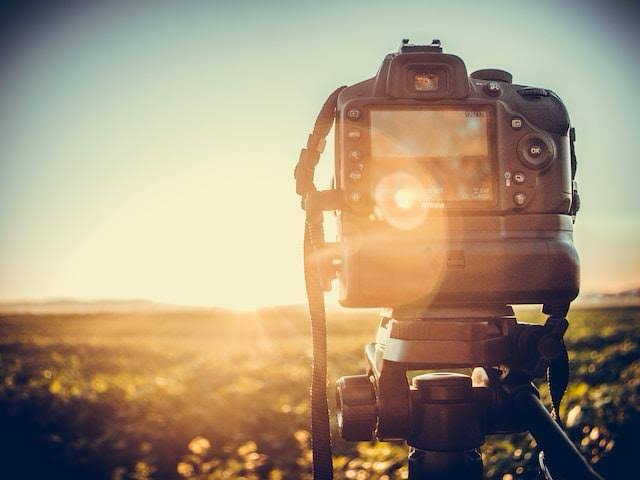
Photo Source: ProGrade Digital (progradedigital.com). Source: ProGrade Digital
There is a distinct muscle memory to picking up a camera. You arrive on location, check the wind or light, unclip the bag, roll the dial to your exposure baseline, and frame up. For most of us, that initial impulse happens automatically. We spot a sweeping horizon, a dramatic backlight breaking through trees, or a striking shadow, and immediately press the shutter. That first instinct isn't bad—it’s the spark that caught your eye. But if you stop there, you're only capturing what the scene looked like, not what it could feel like. The real magic in visual storytelling lives in what happens next: the decision to sit with a frame long after the obvious shot has been taken.
The Trap of the "First Reaction" Shot
When we first approach a scene, our visual brain defaults to documentation. We want to capture the subject in its entirety. If it’s a landscape, we set up wide. If it’s a portrait, we center the subject. The problem with relying solely on these initial frames is that they are usually the most predictable choices. They represent the angle anyone walking past would see at eye level. To turn a snapshot into a photograph with staying power, you have to push past that visual reflex.
Field Rule: Never pack up a scene after taking the shot you came for. Force yourself to find two completely different compositions of the exact same subject before adjusting your location.
Three Ways to Re-Evaluate Your Composition
When a scene feels complete, try these three adjustments before moving on:
Change the Physical Height: Most photos are taken between 5 and 6 feet off the ground because that's where human eyes live. Dropping the camera to knee level or raising it high above your head completely reshapes how foreground elements interact with the background.
Isolate the Micro-Details: If you started wide, swap to a tighter focal length—or walk closer. Look for the texture on weathered wood, the compression of distant layers, or how light hits a single edge rather than the whole vista.
Work the Subtraction Principle: Great photography is rarely about what you can fit into the frame; it’s almost always about what you deliberately choose to leave out. Look around the edges of your viewfinder. If an element doesn't actively support the story of the image, shift your stance or focal length until it’s gone.
Trusting the Creative Process in the Field
Slowing down feels counterintuitive when light is changing fast, but intentionality will always beat volume. Ten deeply considered exposures will teach you more about your craft than five hundred rapid-fire frames ever could. The next time you're out shooting, take the obvious shot to get it out of your system. Then take a breath, stay grounded in that spot, and look again. That second look is usually where your signature style begins to take shape.