Why Composition Matters More Than Gear
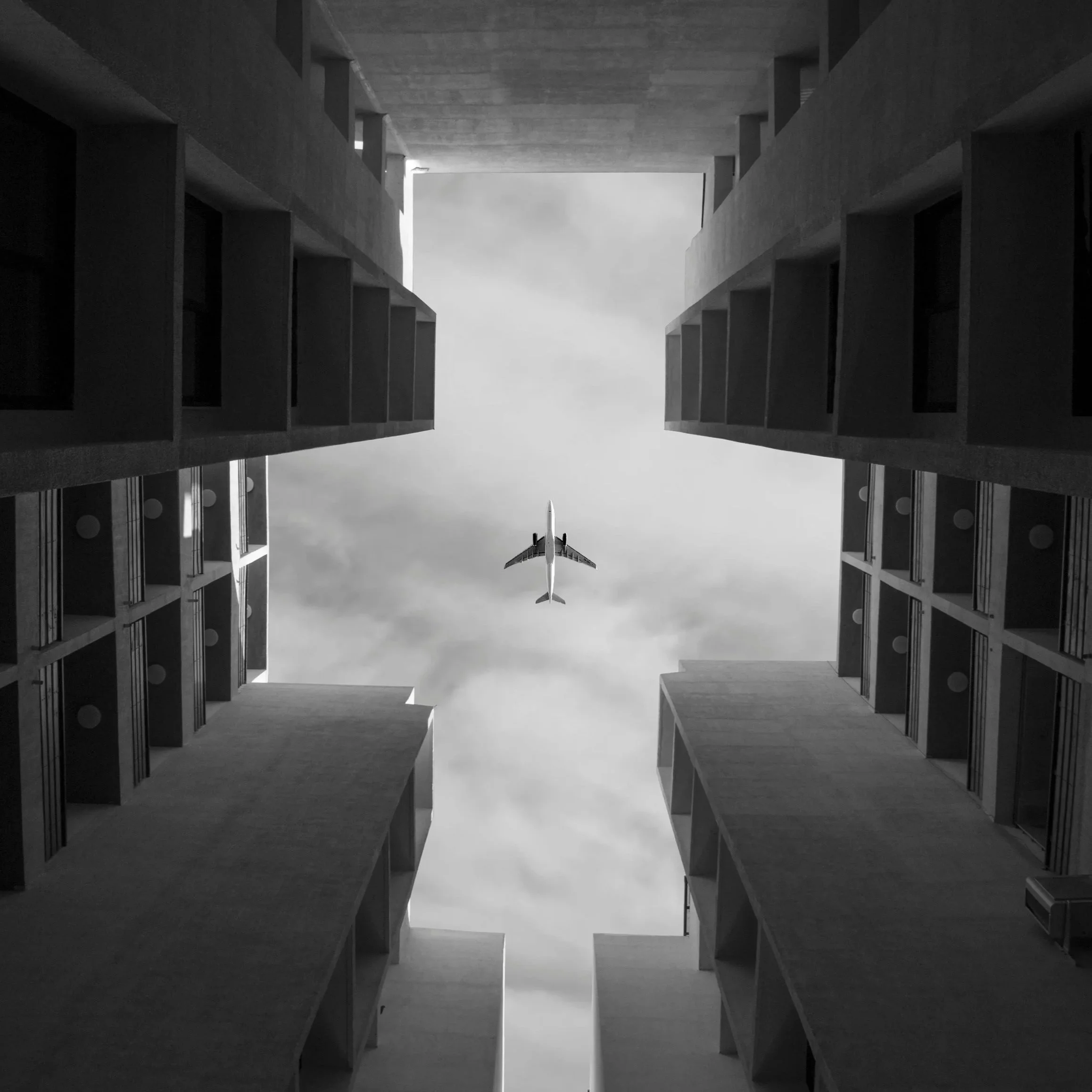
If you’ve ever spent a late night scrolling through camera forums or watching every new tech drop from MKBHD or Gerald Undone, you’ve probably felt that familiar itch: “If I just had that camera, my photos would finally look the way I imagine them.” It’s easy to believe the next lens, sensor, or magical AI upgrade will fix everything. And honestly, who hasn’t been there? We all get pulled into the gear chase because it feels like progress you can buy. There’s a strange comfort in it. A new camera looks like a solution you can hold. But here’s the thing. The gap between an average photo and one that makes someone stop scrolling has almost nothing to do with the gear you’re holding. Its composition. The way you arrange the frame. The way you guide the eye. The way you make someone feel something with a single still image. Your phone can do that. An entry-level camera can do that. A ten-year-old DSLR can do that. Gear helps, sure, but composition does the heavy lifting. And the sooner you lean into that idea, the faster your photography grows.
Let me explain.
People love tech. I do too. There’s something addictive about seeing new camera releases and imagining what you’d shoot with them. And when creators like Peter McKinnon or Ben Staley show what they can do with certain setups, it’s easy to get the wrong idea. You start thinking the gear made those shots possible. But equipment isn’t an instant upgrade to skill. It can’t teach you how to see. It can’t walk you to the right angle or tell you when a scene feels cluttered. It won’t fix a photo where the subject gets lost, the horizon tilts, or a bright background steals attention. Still, we fall for the gear trap because new gear feels like a shortcut. It’s easier to click “Add to Cart” than to train your eye, and most marketing knows this. Cameras get sold on megapixels. Phones get sold on AI modes. We get the idea that better specs equal better photos.
Yet ask anyone who has been shooting long enough and they’ll tell you something surprising. There’s a moment when the gear obsession fades. You stop caring about the newest model because you realize the camera was never the limiting factor. The limiting factor is always how you see. Composition sounds like an academic word, but it’s basically the way you arrange everything inside your frame. It’s more instinct than theory. More awareness than rules. Think about it like stage directing. You’re deciding where the actor stands, where the props go, and where the light falls. You’re deciding what matters. Your viewer doesn’t notice sharpness first. They notice structure. They notice clarity. They notice where their eyes go. They notice if the photo feels calm or tense or cramped or open. If composition is weak, the brain quietly checks out. If it’s strong, the brain stays a moment longer. That moment is everything. That’s the pause you want. It’s the difference between a disposable image and one that feels thoughtful.
And none of that depends on the camera.
Six Composition Ideas That Matter More Than Your Sensor Size
These aren’t strict rules. Think of them more like habits that help your photos feel intentional.
1. Rule of Thirds: The Classic That Still Works
It’s almost cliche at this point, but it’s popular for a reason. If you place your subject slightly off center, the frame feels more balanced. Not perfect, not symmetrical, but pleasing in a natural, human way. You’ve seen it in movies, ads, portraits, everything. And your phone probably shows a grid that makes it even easier. It’s simple and ridiculously effective.
2. Leading Lines: Giving the Eye a Little Path
Roads, fences, shorelines, railing shadows on a sidewalk. Anything that creates a line can guide your viewer toward the subject. It tells their eyes where to land. The cool part is that once you start looking for lines, you see them everywhere. Even in messy environments, they can save a shot.
3. Negative Space: Letting the Subject Breathe
People often fill the frame with too much. But leaving empty space around your subject gives the viewer a moment to rest. It can create mood or calm or even tension depending on how you use it. Minimalism isn’t about emptiness. It’s about clarity.
4. Symmetry: When Balance Just Feels Good
Symmetry works because the brain loves harmony. A centered subject inside a balanced environment feels stable and clean. Architecture, reflections, even certain landscapes naturally lend themselves to symmetry. Don’t overthink it. If the space feels balanced, it probably is.
5. Foreground Interest: Depth Even a Phone Can Create
You don’t need a full-frame camera to create depth. You just need layers. Hold your phone low near grass or use a wall edge or shoot through a plant. Anything that adds a front layer instantly creates dimension. It’s simple trickery but visually powerful.
6. Background Awareness: The Mistake Everyone Makes
The background can make or break a shot. A great subject doesn’t matter if something behind them steals attention. Clutter, bright spots, awkward angles, competing lines – they all disrupt the image. Take a second to check the background. Move a bit left or right. It changes everything. Here’s something people don’t always admit: phones can be composition teachers. They remove friction. You don’t have to think about settings. You don’t have to attach a lens or check exposure. You don’t even have to think about battery half the time.
You just shoot.
Experimenting becomes second nature. You pick up your phone, move two steps, tilt the angle, crouch low, hold it high. You take twenty variations without feeling weird about it. Plus, computational photography handles exposure and color so you can focus on framing. That’s a good thing. Gear doesn’t teach you how to see; repetition does. And phones make repetition effortless. Honestly, some of the strongest compositions I’ve seen online came from phones because the shooter wasn’t overthinking tech. They were thinking about the moment.
A Quick Detour: When Gear Actually Does Matter
This is where the conversation gets honest. Gear matters for certain things. Low light. Fast action. Wildlife. Paid client work. Situations where you need control or durability or larger files. Professionals rely on gear because they need reliability and consistency. They need tools that respond the same every time. They need lenses for specific looks. They need sensors that hold up in tough conditions. But beginners don’t need that yet. And intermediate shooters don’t need it as early as they think. Gear matters most after you’ve developed your eye. You upgrade when the camera starts holding you back, not because the internet suggested it.
A lot of creative people feel intimidated by photography because “real photographers” seem to have expensive kits. That’s social pressure, not truth. Better gear doesn’t make you legitimate. Consistency does. Curiosity does. Attention does. There’s a strange irony here. A beginner who understands composition will often take stronger photos than someone with a $4,000 camera who hasn’t learned how to interpret a scene. Photography isn’t a gear sport. It’s a thinking sport. A seeing sport. The tool doesn’t make the vision. The vision makes the tool powerful. You know what? A lot of top creators still shoot personal work on phones because it frees them mentally.
What Great Photographers Actually Prioritize
If you watch a great photographer work, the gear almost disappears. They’re not fussing with settings every second. They’re scanning. Observing. Moving.
They’re watching for:
How the light hits a face
Where lines converge
How people interact with the space
When a story peaks and settles
Where distractions creep into the frame
It’s slow attention. It’s awareness. It’s timing and patience. When they press the shutter, it’s because something clicked mentally before it clicked mechanically. There’s an elegance in that workflow. A kind of quiet focus. And none of that comes from owning the fancy stuff. We live in a time where people zoom into photos just to judge sharpness. You see it on Reddit, YouTube, everywhere. It creates the impression that sharpness equals quality. But if a shot has no story, no intention, no structure, sharpness won’t save it. Bokeh won’t save it. Wide apertures won’t save it. People connect with feeling, not resolution charts. They connect with mood and rhythm and subtle tension. Peter McKinnon didn’t get popular because his images were tack sharp. Ben Staley isn’t admired for shallow depth alone. Their work hits because they know how to arrange a frame and craft emotion.
Story beats specs. Always.
Here’s the part people underestimate: you can learn composition fast. Not in a week, but far faster than it takes to save up for a new camera. You just need to shoot with intention.
A few things that help:
Move your feet.
Most weak compositions come from staying in one spot. Get closer. Go higher. Drop lower.
Change your angle.
Tilt the camera. Step off to the side. Look for an unexpected perspective.
Simplify the frame.
If something distracts you, it will distract your viewer. Remove it or change your position.
Take three versions of every shot.
Wide, medium, tight. Vertical and horizontal. The more variations, the more you learn.
Shoot daily with whatever camera you have.
Repetition sharpens intuition way faster than reading theory.
It doesn’t have to be deep. It just has to be consistent. Most people already have a camera capable of producing beautiful work. The phone in your pocket is more advanced than many pro cameras from a decade ago. Not more versatile, but absolutely more advanced in the ways that matter for everyday shooting. Your camera doesn’t hold you back. Fear does. Overthinking does. The belief that you need more gear does. And that belief takes you away from what actually makes photos stronger. Composition decides whether a viewer feels something. It’s the rhythm inside the frame. It’s the quiet instinct that tells you where the subject belongs and how the moment should look. If you chase gear, you get tired. If you chase composition, you grow. So if you’re looking for a sign, here it is:
You’re already equipped. The tool is in your hand. The skill arrives with practice. And the photos you want are closer than you think.
Go shoot. Go play. Go experiment.
The camera you have is more than enough.